


Emotional and Lifestyle Management

1. Behavioral Issues:
Behavioural issues are considered as the ones which leads to disturbance in your life. It can impact your emotional, occupational, and family aspects of life too. It can include a variety of issues such as aggressiveness, not being assertive, feeling low and upset, etc. Behavioural issues are the one which have an impact on our day-to-day functioning. They can be resolved successfully with appropriate help from a professional.
2. Relaxation:

Relaxation is the emotional state of a living being, of low tension, in which there is an absence of arousal, particularly from negative sources such as anger, anxiety, or fear. Rightly said by Mark Black, “Sometimes the most productive thing you can do is relax”
Regular practice of simple relaxation techniques allows a person to reduce pain, mood disturbances, sleep disturbances, and inflammatory conditions. It also has other health benefits, including: lowering heart rate, blood pressure, and breathing rate, relieve muscle tension and chronic pain.
At Be BOLD Counselling Services, we help people to achieve relaxation by sharing calming techniques such as, breathing exercises, full body relaxation, grounding exercises, etc. To help our clients keep anxiety and stress at bay. If life is troubling you, perhaps it’s time to have some authentic relaxation tools in your hand and do the trick. This is coupled with the powerful counselling sessions to understand the core issues of conflicts, if any, so that you can retain calmness and relaxation on your own – in the long run, even at the face of adversity.
Some other simple ways to achieve relaxation are doing Yoga, listening to music, doing art, aromatherapy and as simple as walking on the green grass.
3. Stress & Stress Management:
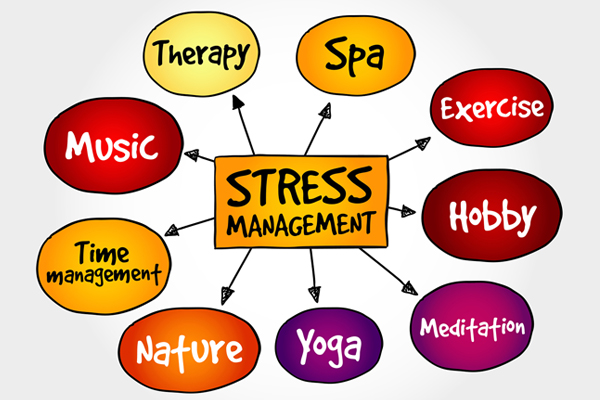
According to the American Psychological Association (APA), stress is the physiological or psychological response to internal or external stressors. Stress can also be stated as circumstances when the situations or things are beyond our coping ability.
Stressors are anything that can disturb our balance of life. Stress is part and parcel of modern life, to such an extent that the term stress has become part of our colloquial language. Even children have stress nowadays due to academics, studies etc, hence managing stress in life is of utmost importance. One important thing which we should remember here is that events, that are stressful for one person may be routine for another.
Stress management is a wide spectrum of techniques and psychotherapies aimed at controlling a person’s level of stress, especially chronic stress, usually with the motive to improve everyday functioning. The aim is simple – either use the techniques to reduce stress or help clients to cope up with stress in a healthy manner.
4. Time Management:

Time management is theprocess of planning and exercising conscious control of time spent on specific activities, especially to increase effectiveness, efficiency, and productivity.
It is the ability to complete, prioritize our daily tasks in an efficient manner. We might neglect time management in our daily life thinking that it might not work. But time management is an essential skill which can work wonders for humans especially in a heather and tether world of ours.
Some helpful measures to help with your Time Management are listed below –
- Find out where you’re wasting time
- Reduce Distractions and be Focused (One can use Pomodoro technique)
- Break big task into small chunks
- Establish routines and stick to them as much as possible
- Set goals which are realistic and achievable.
- Make your own deadlines / Get in the habit of setting time limits for tasks.
- Remind yourself that perfection is a myth.
- Learn to be assertive.
5. Focus & Concentration:
Good concentration aids in learning, allows for faster comprehension, improves memory, helps to focus on a task or goal and allows you to let go of meaningless and irrelevant thoughts. The ability to focus on something in your environment and direct mental effort into that, is essential for learning new things, achieving goals, and performing well in a variety of situations.
According to Cambridge Dictionary, focus is the main or central point of something, especially of attention or interest while concentration is the ability to think carefully about something you are doing and nothing else. Focus and concentration are the key to doing anything efficiently. It may then be learning new things, studying, cooking, reading etc. In today’s arena of disturbance, distractions, chaos it is a mammoth task to concentrate and focus but there’s a way out to this.
-
- Assess Your Mental Focus
- Eliminate Distractions
- Live in the Moment
- Declutter your mind and space around you
- Have Brain Food
- Tame the technology
- Use Pomodoro technique
- Do one thing/task at a time
- Have a sound sleep
- Practice Mindfulness
6. Emotional Wellness:
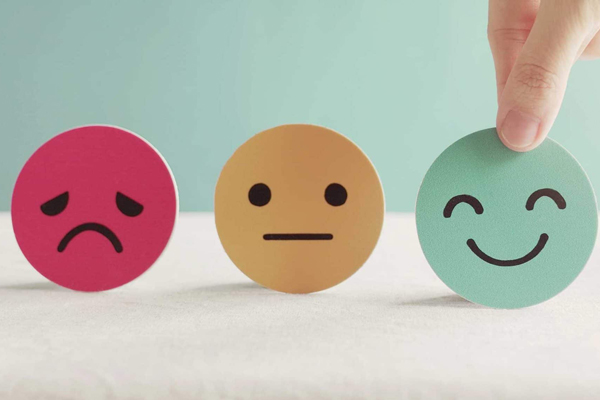
According to Psychology Today, the definition of emotional well-being is “the ability to practice stress-management techniques, be resilient, and generate the emotions that lead to good feelings.” Emotional Wellness also known as Emotional health is the person’s capacity to deal and handle ones and other’s emotions in an effective way. Emotional Well-being or emotional wellness is one of the most crucial skills which is as essential as eating food. As dealing with our personal relationships, work, social life, family, friends etc can take a toll on our emotional health. Having the skills to maintain good emotional health is crucial for personal, social and professional success. So regulating our emotions, dealing with them, communicating emotions appropriately, and understanding others emotions is a way to lead you through the obstacles in our life in a smooth manner. There are different ways to improve our emotional well-being: –
-
- Connect with others / Spend time with people who are in your inner circle
- Being aware of one’s emotions and reactions.
- Question your emotions and thoughts
- Expressing one’s feelings in appropriate ways.
- Stop and take a pause before reacting
- Set boundaries
- Express your feelings, don’t bottle them in.
- Take care of your physical health
- Taking the help of a professional.